
Accuromm Central Europe

A tool engineering company that supports all work related to tools

Grinding wheels

Challenge to frictionless world!

Precision honing stones, Super-finishing abrasives, CBN grinding wheels made in Japan

For applications such as cylinder honing, bearing raceway finishing, micro grinding

Beyond standard shapes

Specialized technology for the tech-heavy 21st century.

High-performance stones

Designed for final mirror-finishing and sub-micron accuracy

Precision honing

First introduced by Mizuho in Japan in 1951 with government-backed research

Grinding
Superfinishing
Honing

About Mizuho

90+ Years of Mastery

Established in 1930 in Japan, refining the art of abrasives for nearly a century

Custom Solutions

We specialize in "made-to-order" specifications tailored to your unique machining environment

Multi-Industry Reach

Supporting automotive, aerospace, medical (artificial bone), and optical fiber sectors

Why Mizuho?

Automotive & Aerospace

Meeting the rigorous safety tolerances of drive and flight-critical parts

Medical

Our stones shape artificial bone and medical implants

Telecom

Precision grinding for optical fiber ferrules

Our “Joint Cooperation” business model:

We don’t just ship products.
Our sales engineers work with your production line to optimize cycle times and surface finish quality.

Products

Grinding wheel

Micro-Stones: Diameters down to 0.8mm for ultra-miniature parts

Optical/Medical: Specialized wheels for lens grinding and artificial skull/bone processing

New Energy: Large-scale stones for wind turbine bearings
Superfinishing stone

Bearings: Radial ball bearings, rollers, and raceway grooves

Automotive: Engine camshafts and high-speed motor shafts

Aerospace: High-load structural components
Honing stone

Hydraulics: Cylinder bores and valves

Fuel Systems: Injection nozzles and pumps

Engine Blocks: Perfectly cross-hatched cylinder walls for oil retention
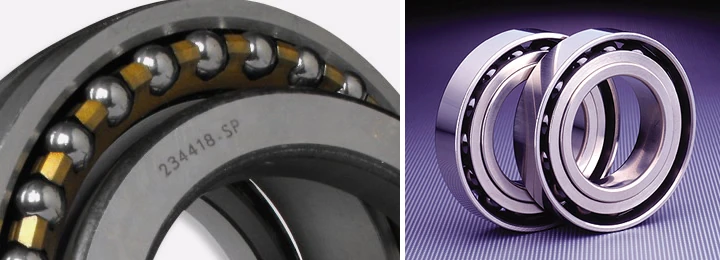
Tooling service

Bearings - High performane and high quality bearings

It can be said that bearings are always present where there is rotation or reciprocating motion. In ancient times, when heavy objects such as stones were moved, this was made possible by placing rotating rollers underneath. This was the beginning of bearings.

Today, they are used as "slide bearings" and "rolling bearings" in a variety of heavy machinery and transport equipment. It is no exaggeration to say that these bearings have supported human civilization to date. In today's world, where higher quality and performance are required, such as reducing frictional heat generated by high-speed rotation, weight reduction, compactness, long life, labor saving, and ecology, the needs for bearings are becoming more diverse.

Since its founding in 1930, Mizuho Corporation has consistently been involved in the manufacture and sale of precision grinding wheels that prevent bearing seizure and ensure smooth rotation. In 1952, the company completed Japan's first super-finishing wheel, and has since achieved mass production and high precision, continuing to make tireless efforts as a driving force in the bearing industry.
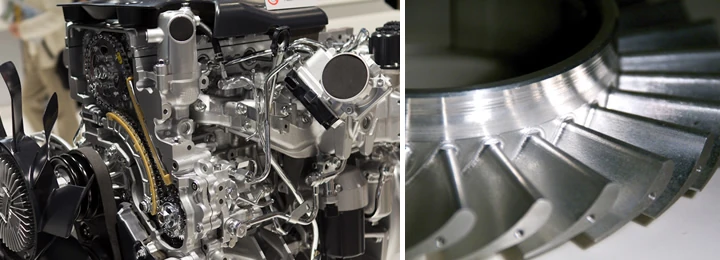
Auto parts - High quality that meets diverse needs

Mizuho's technology supports global quality. Processing technologies using many Mizuho products (precision grinding wheels, super finishing wheels, honing wheels) are incorporated throughout automobiles.

Hub bearings, which are particularly important, have a significant impact on driving comfort and fuel economy. Mizuho's products contribute to a longer product life by reducing the coefficient of friction and improving low-friction technology for processing precision (surface roughness, roundness, cylindricity).

In recent years, hybrid vehicles have been required to be smaller and lighter in size to improve their power output and fuel economy, and it is no exaggeration to say that Mizuho's technology is supporting the future of eco-cars.

Furthermore, Mizuho's technology supports global quality behind the scenes by improving the machining precision of engine parts such as gears, valve lifters, cylinders, connecting rods, and camshafts, controlling energy loss and reducing CO2 emissions , thereby creating environmentally friendly cars.
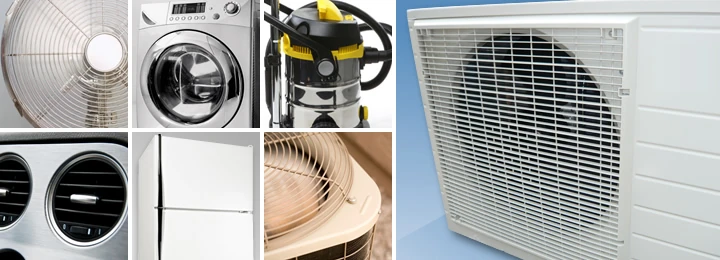
Electrical parts - Quest for high performance and quality

Ecological needs for people and the planet. The three sacred treasures of the 1950s were electric washing machines, electric refrigerators, and black-and-white televisions. The three sacred treasures of the 1960s were the 3Cs: cars, coolers, and color televisions. Mizuho's technology was utilized in many of these electrical appliances.

This technology has been further developed, and is now found in everything from the old two-tub washing machines, refrigerator cooling compressors, air conditioner outdoor and indoor units, vacuum cleaners, electric fans, kitchen fans, and computer hard disk drives.The demands for convenience, such as high speed, quietness, compactness, lightness, long life, and low torque, have shifted to even greater energy savings in terms of not consuming energy, greater cleanliness in terms of dust resistance and not producing waste, and greater comfort in terms of quietness, and with the addition of ecological needs for people and the earth, the quest for high performance and high quality knows no bounds.

Mizuho Quality's technology can meet these needs.

Lenses and glass substrates (Displays) - Environmentally friendly and efficient

Mizuho's patented mechanochemical super finishing stone SiC (silicon carbide) is used in optical glass lenses for microscopes, binoculars, copiers, projectors, space development equipment, large astronomical telescopes, etc., as well as sapphire glass, which is the base for high-brightness LEDs, and in the electronics industry, including semiconductors.

The final finishing process for these hard and brittle materials typically involves polishing using loose abrasive grains. However, this can lead to issues such as waste from the mixture of loose abrasive grains and water (slurry) and a deterioration in processing quality. In recent years, however, fixed abrasive grain polishing methods, which offer high precision, high efficiency, and a cleaner working environment, have begun to be widely adopted for the final polishing process of high-tech products such as information and communications equipment.

A prime example of this is Mizuho's patented mechanochemical super-finishing stone. Mizuho will continue to work on fixed abrasives, which are superior to loose abrasives in terms of both environmental friendliness and efficiency.
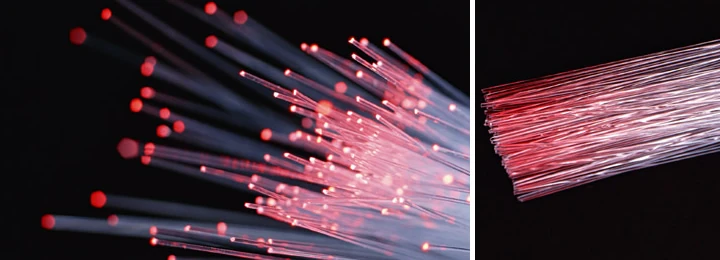
Optical fiber (ferrule) - High-precision ferrules with super-finishing processing

Expanding transmission capacity required for communications satellite broadcasting, cable TV, etc. In the optical fibers used for communication information, the laser beam travels through the center of the fiber (a core about one-tenth the width of a human hair) and is connected by a ferrule that aligns the center with zero deviation, and Mizuho's technology involves polishing the end face of this ferrule (pre-dome surface) with ultra-fine grinding stones with high precision and efficiency.

Super-finishing is a processing method that gives the surfaces of metals, ceramics, and glass an ultra-precise sub-micron (1/10,000 of a millimeter) roughness (mirror finish). Mizuho completed Japan's first super-finishing whetstone using conventional abrasive grains in 1952, and then became the first in Japan to successfully develop a super-abrasive in 1975. Since then, Mizuho has consistently boasted cutting-edge quality in the industry (good cutting ability, excellent surface finish, and long life), and has reigned supreme in the industry as the super-finishing company.
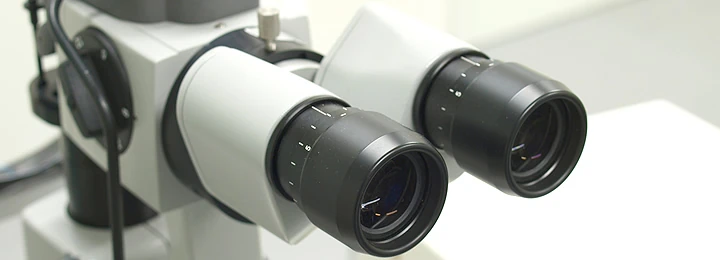
Medical devices (Artificial Femoral Head) - High-efficiency and high-precision machining using super abrasive grains

Super finishing whetstone that meets a variety of needs. In the medical field, ceramic artificial bones are attracting attention in dentistry and as replacement joints, and in addition to those made of alumina, those made of stronger zirconia are now available. This means that not only the conventional alumina (WA) and silicon carbide (GC) abrasive grains, but also superabrasive grinding wheels (*1) using ultra-hard diamond (Knoop hardness 7,000-8,000) abrasive grains and CBN (cubic boron nitride, Knoop hardness ≒ 4,700) abrasive grains are now possible, enabling high-efficiency, high-precision machining, and we continue to maintain our position as the top manufacturer for precision machining.

*1) Mizuho's unique grinding wheel manufacturing process uses a technology that evenly distributes abrasive grains, binders, pore materials, and adjustment materials. Giving the grinding wheel an appropriate self-dressing mechanism maintains stable sharpness.

Bearings for wind power generators - Enabling efficient power generation

Mizuho is also responsible for creating the energy of the future. Wind power generation is attracting global attention, with demand expected to expand due to its clean energy potential and relatively low construction costs. In Japan, too, construction of wind power generation systems using offshore wind turbines has begun, as site conditions make it difficult to build bottom-fixed turbines like those found in Europe. However, measures to protect against lightning strikes are essential, and new problems arise, such as damage from electrolytic corrosion and saltwater corrosion. These problems are being solved by improving the bearings to composite types made of stainless steel and ceramic.

Mizuho's product processing technology is utilized in each of the following areas: the insulation prevents electrolytic corrosion, the durability is enhanced, and the ceramic bearings combine non-magnetic stainless steel for the rolling rings, silicon nitride ceramic for the balls, and fluorine resin for the solid lubrication of the cage.It is also light in weight, and Mizuho's technology has made it more durable, making maintenance easier and enabling more efficient power generation.

Mizuho's strength lies in creating the energy of the future.
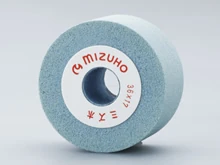
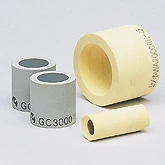
Grinding wheel

Since its founding in 1930, Mizuho has been constantly researching and challenging itself to develop precision grinding wheels. We have established dry manufacturing methods and various unique grinding technologies that can handle wheels with a diameter of 0.8 mm… With our accumulated wealth of experience and data, we are able to meet the various needs of the times and receive a wide range of orders.

Conventional abrasive grinding wheels

Ceramic grinding stone

Ceramic grinding wheels using polycrystalline alumina abrasive grains have a microscopic self-sharpening effect, enabling stable maintenance of sharpness even during high-efficiency machining.
Our ceramic grinding wheels come in two types: one that features low grinding resistance and one that can extend the number of skips, allowing you to choose the right one depending on the application.

Composite abrasive stone

We offer two types of composite abrasive wheels that address the drawback of ceramic abrasives, namely, the wear of the dresser.
The “HMA wheel” is characterized by its excellent dressing properties and low grinding resistance. On the other hand, the “ZA wheel” is a type that can improve surface roughness.

Applications:

Auto parts

  • Constant velocity joint outer ring ball groove grinding
  • Constant velocity joint outer inner spherical surface grinding
  • Constant velocity joint cage inner spherical surface grinding

Bearing parts

  • Grinding of various bearing inner rings
  • Grinding of various bearing inner rings and raceways
  • Grinding of outer rings and raceways of various bearings
  • Grinding the inner ring flange of tapered roller bearings

Internal grinding wheel

General abrasive grinding wheels used for internal processing of bearings, automobile parts, etc. We have an established reputation thanks to our excellent traditional techniques. We can also deliver specially shaped grinding wheels with high precision upon request.
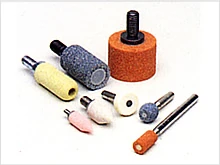
Mounted grindstone

General-purpose abrasive grinding wheels used for grinding automotive parts, electrical equipment parts, and bearings. Various types of shafts are available, including straight and threaded.
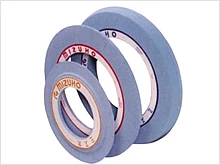
Standard grinding wheel

General abrasive grinding wheels used for various types of processing such as cylindrical outer surfaces, flat surfaces, forming, etc. We have a wide range of grinding wheels with various characteristics depending on the application, including abrasive grains, bond types, grinding wheel structures, and structures.
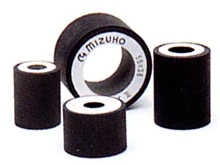
Special grinding wheels

As more and more high-strength materials are being used for machining, grinding wheels are increasingly being made with super abrasives, such as cubic boron nitride (CBN: Cubic Boron Nitrid, Knoop hardness ≒ 4700) for steel materials and diamond (Knoop hardness 7000-8000) for non-steel materials (carbide alloys, ceramics, glass, etc.).

High-efficiency, high-precision grinding is required, and Mizuho has developed high-performance super-abrasive grinding wheels with vitrified bonds. These wheels excel in dressing and shape retention, enabling them to maintain excellent grinding ability for long periods of time, and are well-received in the precision machining field.

Applications:

Bearing parts

  • Grinding of various bearing inner rings
  • Grinding of outer ring race surfaces of various bearings
  • Form grinding of outer ring race surfaces of various bearings
  • Grinding of tapered roller bearing inner ring flange

Auto parts

  • Transmission gear internal grinding
  • Ball nut screw internal form grinding

Pneumatic equipment parts

  • Rotary compressor cylinder internal grinding

Internal grinding wheel

This super abrasive grinding wheel is used for internal grinding of bearings, automotive parts, electrical parts, injection equipment, etc. The application of a unique bonding agent maximizes the outstanding performance of the super abrasive grains. It has been well received for its high precision, high efficiency, and high cost-effectiveness.
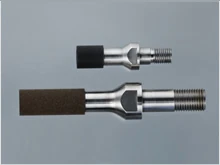
Mounted grindstone

Super abrasive grinding wheel used for internal grinding of hardened steel and hard-to-cut materials. The grinding wheel is attached to the shaft and quill, and boasts excellent dressability and a long grinding wheel life.
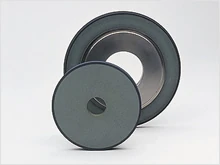
Standard grinding wheel

This super abrasive grinding wheel is used for various types of processing, such as cylindrical outer surfaces, flat surfaces, and forming. It is popular in the field of precision grinding for grinding various hard-to-cut materials.
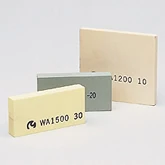
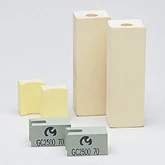
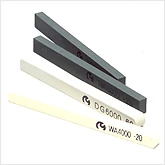
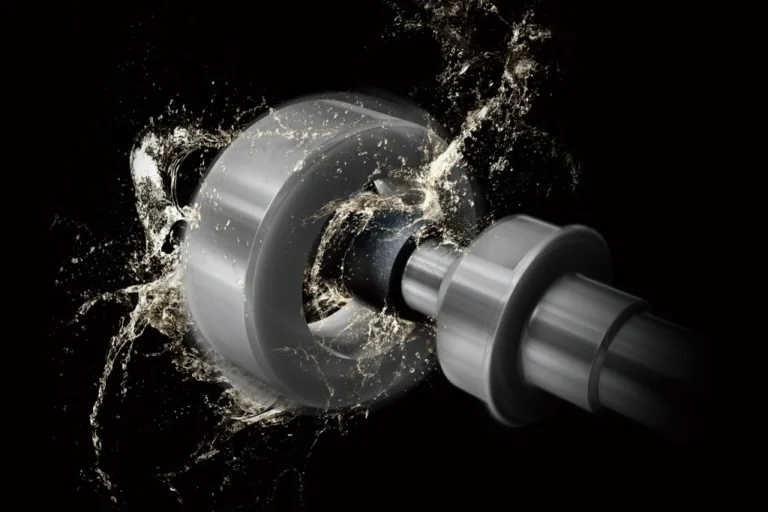
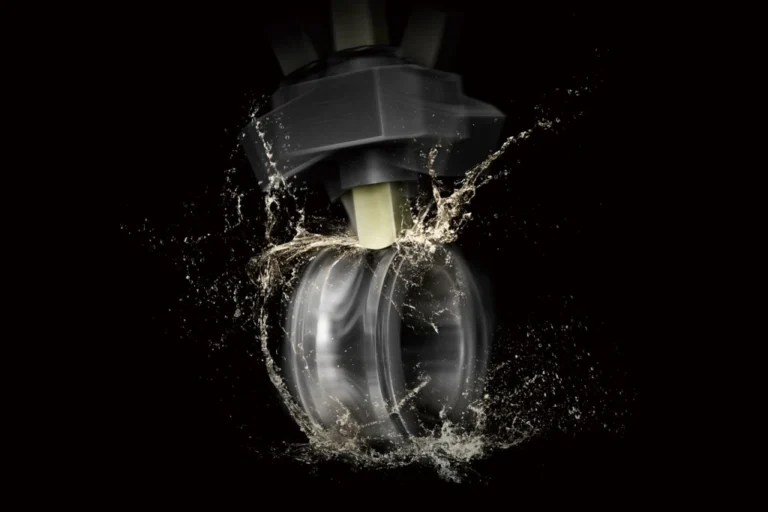
Superfinishing stones

Super finishing wheels are fine-grained wheels used in finishing processes to quickly remove distortions, grinding fins, waviness in the generatrix direction, and altered layers from the surface of ground or precision-cut workpieces, while at the same time improving roundness and surface roughness and leaving the surface of the workpiece in a mirror-like state, thereby improving wear resistance and seizure resistance.

Since receiving a subsidy from the Ministry of International Trade and Industry in 1951 and developing Japan’s first super finishing whetstone, our products have been widely supported by many people as “Mizuho’s super finishing whetstones.”

Superfinishing stones

Superfinishing wheels are grinding wheels that use alumina abrasive grains and fine silicon carbide particles and are used in finishing processes to quickly remove distortions, undulations, and altered layers on the surface of ground or precision-cut workpieces, improving roundness and surface roughness and turning the surface of the workpiece into a mirror finish.A vitrified bond is used as the bonding agent, and various efforts have been made to improve and stabilize the sharpness of the grinding wheel structure.

We have a long track record of success as grinding wheels and a wealth of processing technology information, and with a product lineup with a wide range of characteristics, we can meet customer requests (improved cutting performance, lifespan, improved finished surface roughness, etc.).

Through-feed type

Infeed type

Raceway type

Flat surface processing type

Super-abrasive superfinishing stones

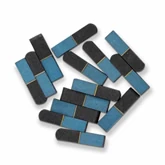
CBN abrasive super finishing stone

This is a superfinishing stone manufactured using a vitrified bond and cubic boron nitride (Cubic Boron Nitride, Knoop hardness approx. 4700) abrasive grains, which are second only to diamond in hardness. Compared to grinding stones, superfinishing stones process workpieces through surface contact between the stone and the workpiece, so it is important to remove chips and maintain a stable chip-free work surface. For this reason, the stone structure is unique, with a porous and special porous stone (Patent No. 1154468).

In recent years, in order to increase production capacity, there has been a demand for grinding wheels that can cut faster and have better abrasion resistance than before. To address this, a new grinding wheel that involves a mechanochemical reaction, called the “SH Grinding Wheel” (Patent No. 4523383), has been developed. This grinding wheel has the characteristics of having less chipping and wear than conventional grinding wheels (CBN grinding wheels), and has better cutting ability and surface roughness.


Diamond grit super finishing stone

This is a super finishing stone made with ultra-hard diamond (Knoop hardness 7000-8000) abrasive grains in a vitrified bond. It is used in a wide range of applications, including super finishing of brittle materials such as glass and extremely difficult-to-machine ceramic materials, ultra-precision finishing of metal parts for various machines, and machining of wear-resistant tools such as PCD.

Applications:

Shoe centerless support system
  • Radial ball bearing race surface processing
  • End surface processing of various rollers for bearings
  • Various flat and edge processing

Roller centerless support through-feed system:

  • External diameter processing of various rollers
  • Partial and full crowning of various rollers for bearings
  • External diameter processing of various rotors and shafts
Roller centerless support infeed system:
  • External diameter and partial/full crowning of various rollers for bearings
  • Various outer diameter processing

Raceway type

Flat surface processing type

Through-feed type

Honing stones

Mizuho’s honing stones were developed in 1951 with the support of a subsidy for industrial technology from the Ministry of International Trade and Industry at the time, and with guidance from the Mechanical Engineering Research Institute, Agency of Industrial Science and Technology. Since then, Mizuho has been producing Japan’s first super-finishing stones, and has since received favorable reviews and patronage from customers for the finishing of machinery parts that require high performance and long life, such as those used in automobiles, hydraulic equipment, injection nozzles, and electrical parts, as well as super-finishing stones, as well as Mizuho’s precision honing stones.

Conventional abrasive honing stones

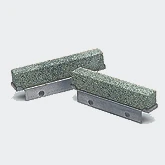
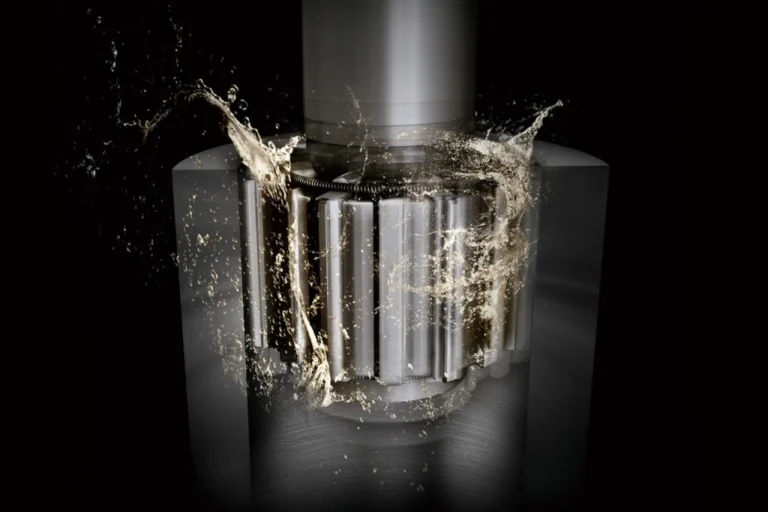
Honing wheels are generally used to process the inner diameters of hydraulic cylinders, automobile engines, etc. The stick-shaped wheel is pressed against the inner surface of the workpiece while rotating and moving up and down at the same time.

The surface obtained by honing is a cross-hatched surface with excellent oil retention (lubricity) and functionality as a sliding or friction surface, and the required dimensional and shape accuracy can be obtained efficiently, economically, and easily. Along with the super-finishing stone completed in 1952, it is used by many customers both in Japan and overseas as a honing stone for precision machining.

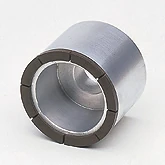
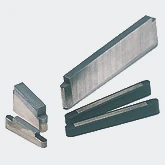
Shell type

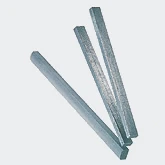
Stick type

Cylinder type for spherical surface processing

Metal fitting type

Super-abrasive honing stones

Honing, like grinding and super-finishing, is a precision machining method that primarily polishes the inner diameter of a cylindrical workpiece.

A tool called a hone head, which has a stick-shaped grinding stone placed on the outer periphery of a cylinder, is inserted into the inner diameter of the workpiece, and the grinding stone is pressed against the inner diameter of the workpiece by expanding it.The hone head is then moved up and down and rotated to polish the workpiece, thereby efficiently achieving the desired surface roughness, cylindricity, roundness, etc. in a short amount of time.

The objects to be processed include automobile parts (engine cylinders, various gears, connecting rods, etc.), hydraulic parts, etc. After processing, crosshatch-shaped polishing marks (net marks) are formed, which improve the oil retention of lubricating oil and increase the wear resistance of sliding parts.

Recently, the majority of work has been done with super-abrasive grinding wheels, which have a long life and require little effort to replace.
The super-abrasive grains are fixed with a metal bond, and there is a wide range of metal bonds, from very strong types that emphasize wear resistance to highly brittle types that emphasize cutting ability.

Applications:

Auto parts

  • Engine Cylinder Liners
  • Connecting Rod
  • Mission Gear
  • Brake cylinder

Pneumatic equipment parts

  • Rotor

Hydraulic equipment parts

  • Hydraulic cylinder
  • Hydraulic pump

Standard stick type

Mold type

Base metal type

Shell Type

Tell us more about your application:

  • Workpiece Material & Hardness (HRC)

  • Current Cycle Time vs. Target Cycle Time

  • Desired Surface Roughness (Ra/Rz)

  • Machine Brand (Nagase, Daishin, Okamoto, Seibu etc.)