
Accuromm Central Europe

A tool engineering company that supports all work related to tools

Engineering the Future of Net-Shape Manufacturing

Precision Forging Dies & High-Performance Die Sets

Transforming Traditional Press Work into Data-Driven Forging DX (Digital Experience)

Perfect Precision, Less Waste

Create complex parts with "Net-Shape" accuracy that eliminates the need for extra cutting or finishing, saving you time and material costs.

Upgrade Your Existing Equipment

Our advanced die sets allow you to perform high-level forging on your current presses—no need to invest in expensive, specialized machinery.

Smart Tech for Zero Defects

Our "Intelligent Die Sets" use real-time sensors to track wear and predict failures, ensuring every part is perfect and preventing unplanned downtime.

End-to-End Engineering Support

We don't just sell tools; we provide total support—from custom die design and flow analysis to setting up your smart manufacturing system.

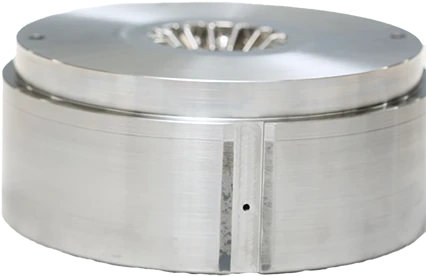
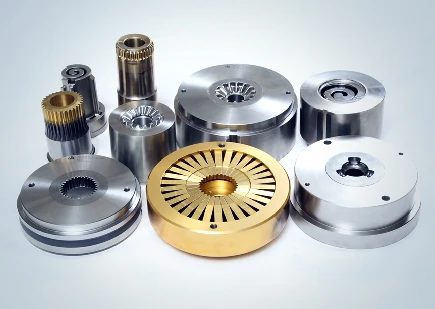
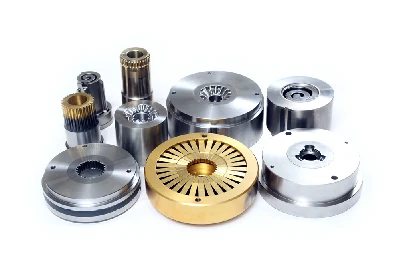
Precision forging die
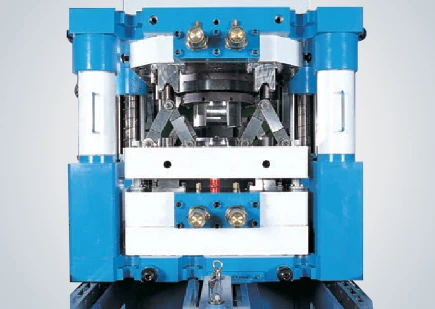
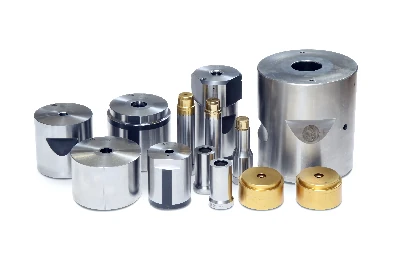
Die set

Nichidai is a niche top company of precision forging dies. With proprietary technology, no1 share of the market for precision forging dies in Japan. Nichidai provides dies for the production of high-precision automotive parts. Processes materials into complicated shapes through one-time press forging.

Precision Forging Dies

As a top maker of precision forging dies, NICHIDAI uses advanced technologies it has developed since its foundation to provide precision forging dies as an optimum solution to meet its customers’ requirements and applications. The company enables the conversion of parts production into net-shape manufacturing through the proposal of optimum engineering methods, including cold forging that gives it a significant edge over its competitors in the industry, warm/hot forging, as well as flow control forging and powder molding in which it is not specialized.

Die for press
Die for former

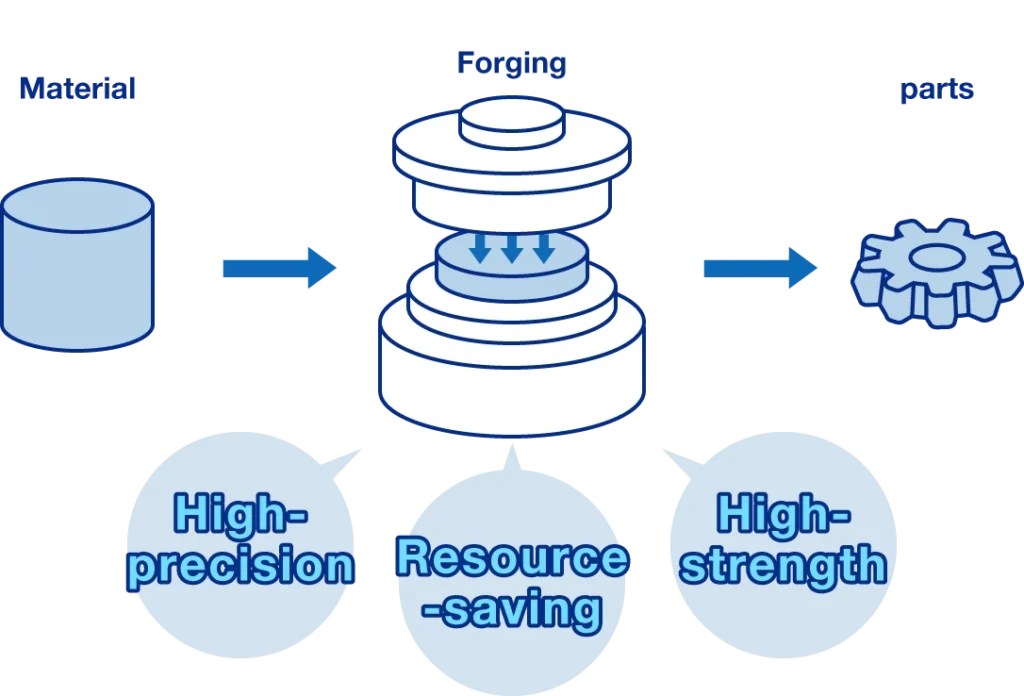
Ideal processing method “Net-Shape production”

Cold forging where forming is performed at room temperature with a high pressure causes high loads onto the die and increases the degree of difficulty in processing. However it provides high precision and strength, contributing to the reduction of resource and energy, and significantly improving productivity. As parts manufacturing will possibly be advanced, sophisticated, and diversified in future, NICHIDAI is working toward the conversion of the process of all formed products to net-shape manufacturing. Forming into final geometry without cutting work).

Comparison with cutting work

 Cutting workCold forging
(Net-Shape)
Advantages
ProductivityFast processing speed and high productivity
Stock utilizationHigh stock utilization
Product strengthTight connection of metal fibers and work hardening improve product strength
Processing precisionRealization of Net-Shape manufacturing with high precision

Classification by forging temperature

Cold forging Warm forging Hot forging
Characteristics Performed at room temperature (or conditions close to room temperature) Performed at temperatures below recrystallization temperature of the material by heating it Performed at temperatures above recrystallization temperature of the material by heating it
Forging temperature (steel) Normal temperature (Room temperature) 600℃~850℃ 1100~1250℃
Forging load High Middle Low
Dimensional accuracy
Surface conditions

Case studies of formed forged products

NICHIDAI’s net-shape technology contributes to the development of a wide variety of precision forgings.

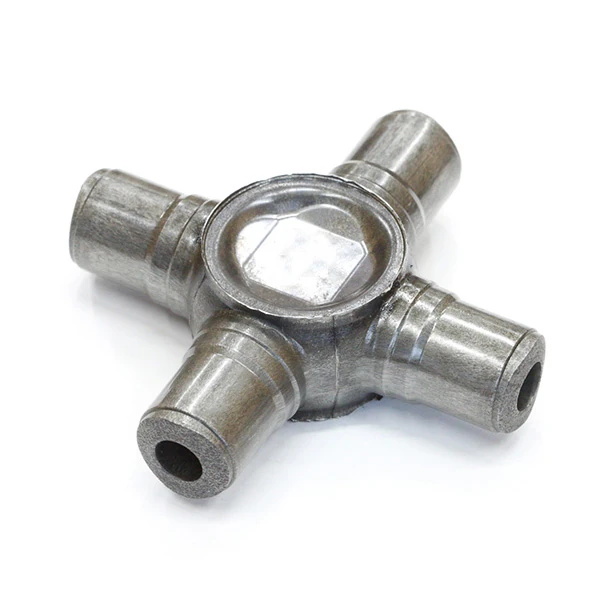
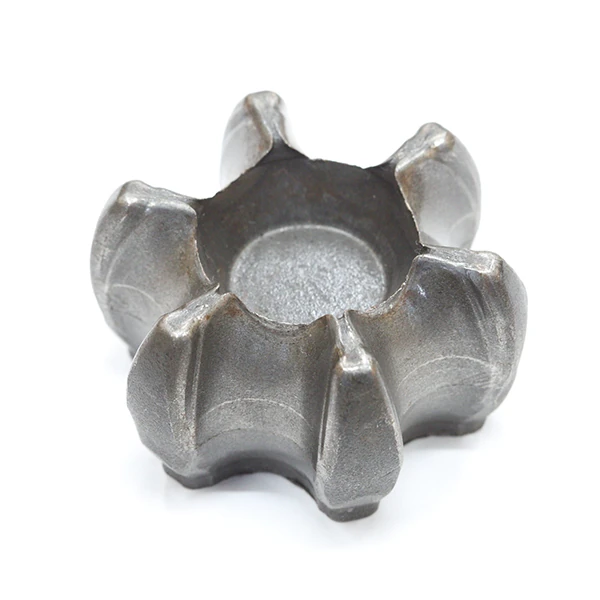
Cross joint

<Forming conditions>

  • Material: SCM420H
  • Forming speed: 17~20SPM
  • Temperature: Room temperature
  • Press used: Mechanical press

<Description>

  • Cutting allowance reduced by enclosed forging
  • Forging by unilateral hydraulic enclosing mechanism
Inner race

<Forming conditions>

  • Material: SCr420H
  • Forming speed: 17SPM
  • Temperature: Room temperature
  • Press used: Mechanical press

<Description>

  • Cutting allowance reduced by enclosed forging
  • Forging by unilateral hydraulic enclosing mechanism
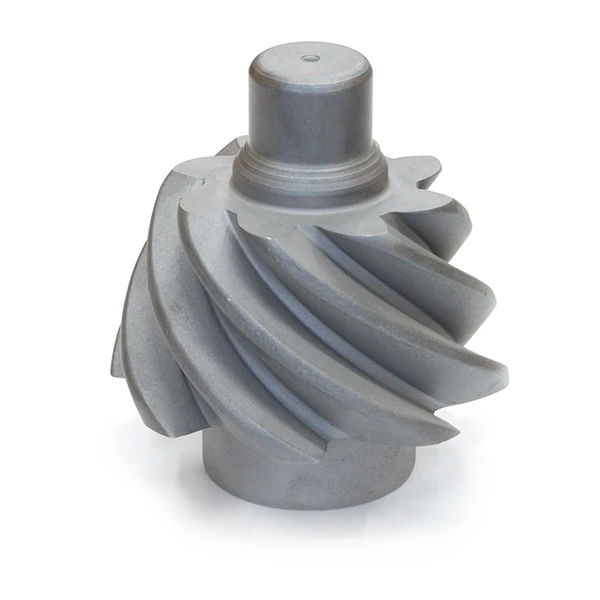
Hypoid pinion gear

<Forming conditions>

  • Material: SCr420H
  • Forming speed: 20mm/sec
  • Temperature: 800℃
  • Press used: Hydraulic double-acting press

<Description>

  • Cost reduced by forging machined parts
  • Strength improved by forging the tooth-shaped portion
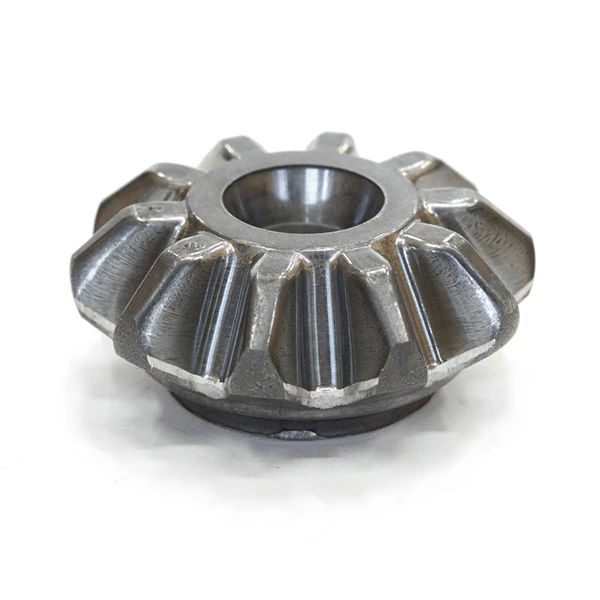
Bevel gear

<Forming conditions>

  • Material: SCM420H
  • Forming speed: 17~20SPM
  • Temperature: Room temperature
  • Press used: Mechanical press

<Description>

  • Cutting allowance reduced by enclosed forging
  • Forging by unilateral hydraulic enclosing mechanism
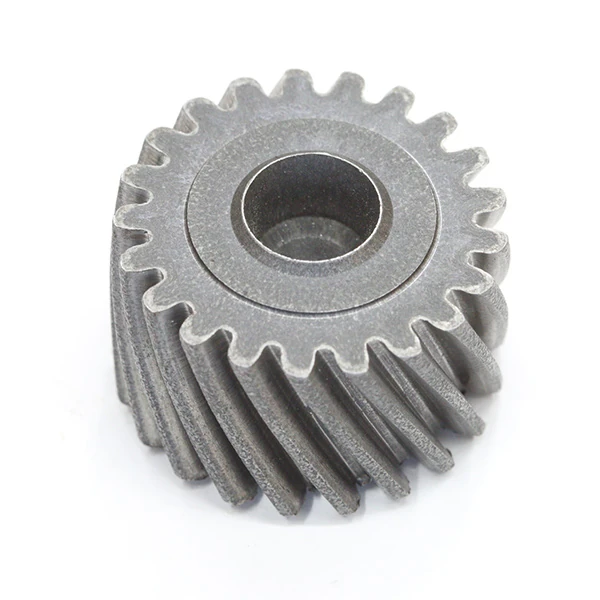
Helical gear

<Forming conditions>

  • Material: SCr420H
  • Forming speed: 20mm/sec
  • Temperature: Room temperature
  • Press used: Hydraulic double-acting press

<Descriptions>

  • Cost reduced by the use of solid-core materials
  • Forming load reduced by two-stage motion
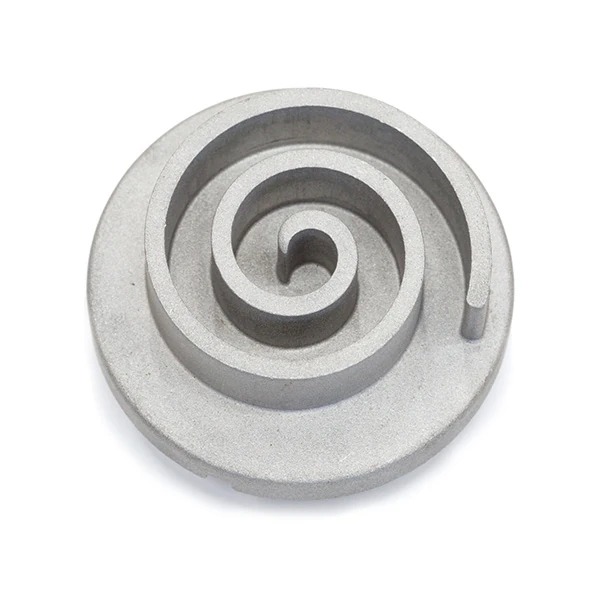
Scroll

<Forming conditions>

  • Material: Aluminum alloy
  • Forming speed: 17SPM
  • Temperature: 420℃
  • Press used: Mechanical press

<Descriptions>

  • Tap height levelled by back pressure forming
  • Cutting allowance reduced by back pressure mechanism

Die set

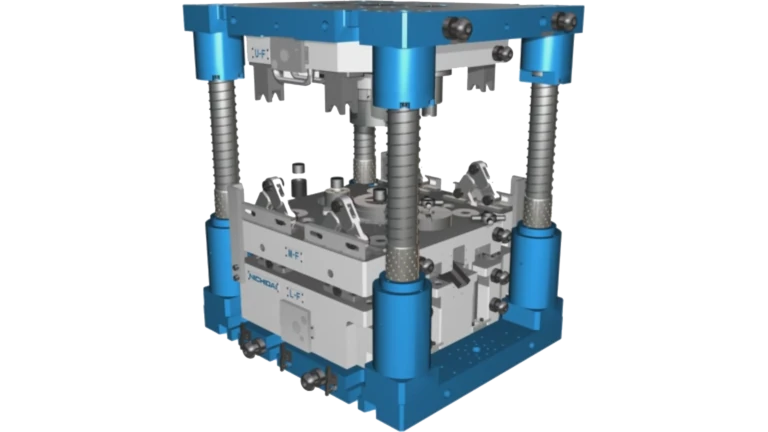
Die set is a guide that secures dies to the press and enables accurate vertical motions. For the improvement of the precision of products, it is required that the die set surely hold dies, concentricity and coaxiality (flatness and perpendicularity) of cope and drag be accurate, and the replacement of dies be easy.

NICHIDAI’s Enclosed Die Set

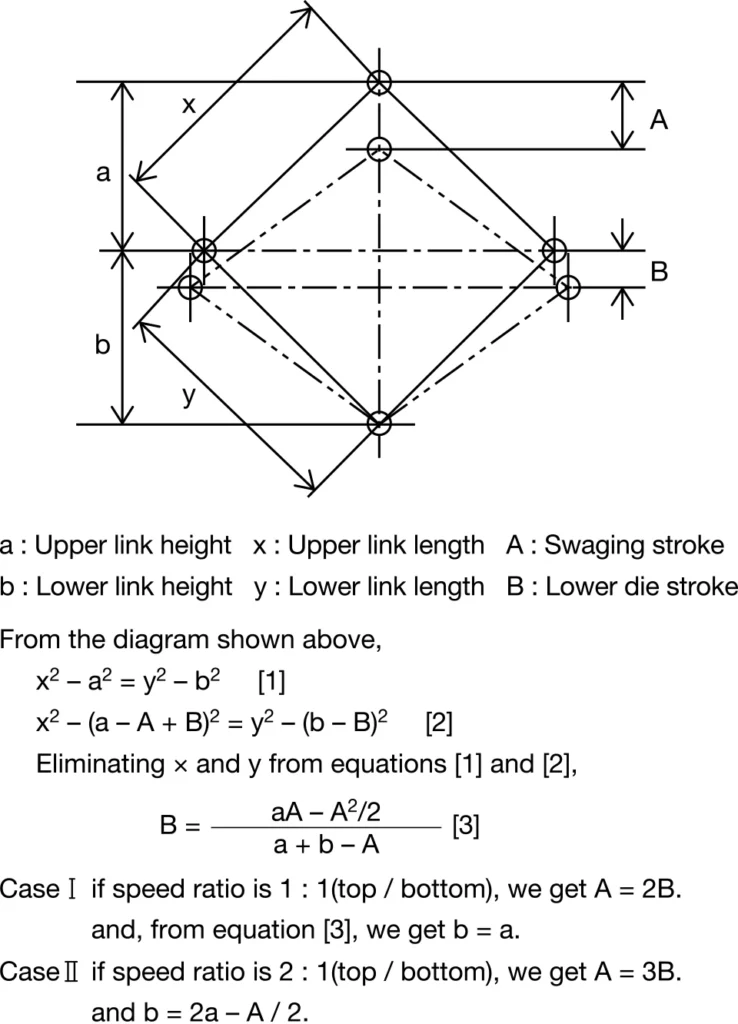
When attached to a generic press, the “enclosed die set” NICHIDAI has developed has a mechanism to enable complex-shaped products to be forged by customer’s mechanical press. Just changing the length of the pantograph enables the mass production of a wide variety of enclosed forgings.

Die for press
Die for former

Comparative table of hydraulic and gas type of die set


Hydraulic
type

Gas
type
(1) Actuating forceMineral oilN2 Gas
(2) Cylinder / PistonSpecialGeneric
(3) Number of piecesmore than 1
(4) Capacity range
(set pressure)
2,000KN2,000KN
〜20MPa〜14MPa
(5) Pressure controlYesNo
(6) Enclosing strokeOne side〜40mm〜40mm
Both sides〜25mm〜25mm
(7) Production speed〜38spm〜580mm/sec
(8) Ancillary equipmentHydraulic device
(9) Other peripheral equipment

Piping,
cooling water,
etc.

None

Pantograph mechanism

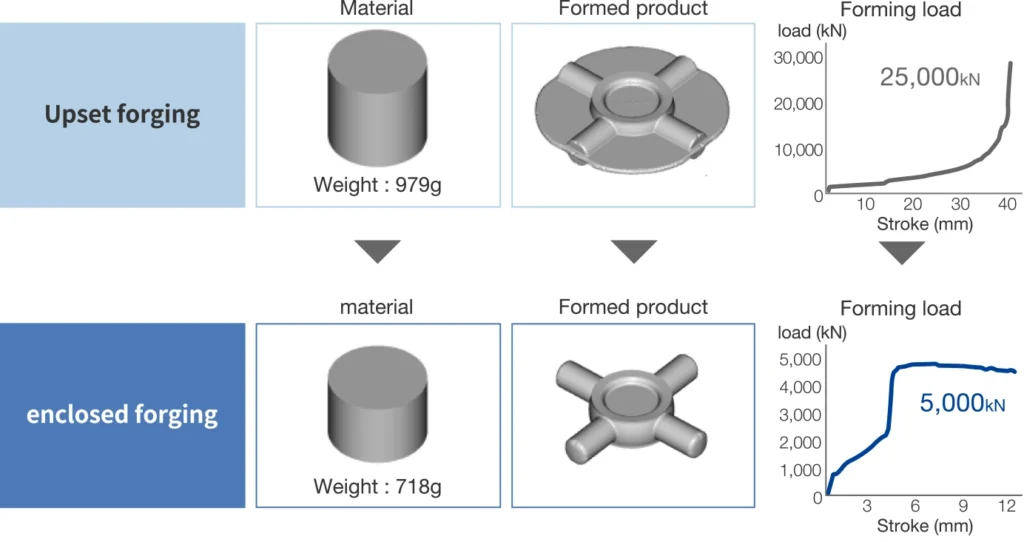
Advantage of enclosed forging

Improved yield: material weight reduced by 27%
Form load: reduced by 80%

Examples of formed forged products

Inner race
Bevel gear
Cross joint

Reference product list

Hydraulic enclosing mechanism with pantograph system die set

[Specifications (actual production)]

  • Enclosing load: max1,960 KN
  • Enclosing stroke: 20~30 mm (Both sides), 20~50 mm (One side)
  • Press used: 200~1,250 ton
  • Die height: 500~1,200 mm
  • Slide stroke: 200~4,000 mm

Hydraulic back pressure die set

[Specifications (actual production)]

  • Enclosing load: max 3,920 KN
  • Enclosing stroke: 50~70 mm
  • Press used: 600~1,000 ton
  • Die height: 900~1,200 mm
  • Slide stroke: 400 mm

Gas pressure enclosed die set

[Specifications (actual production)]

  • Enclosing load: max1,960 KN
  • Enclosing stroke: 25~50 mm (One side)
  • Press used: 600~1,200 ton
  • Die height: 600~1,200 mm
  • Slide stroke: 400~500 mm

Gas pressure enclosed die set

[Specifications (actual production)]

  • Enclosing load: max 4,340 KN
  • Enclosing stroke: 45~55 mm
  • Press used: 600~1,000 ton
  • Die height: 1,000 mm
  • Slide stroke: 400 mm

Refer to our catalog for details

Dieset catalog (PDF)

Digital Experience (DX)

Visualize dies damage and product defects, aiming for a production system that does not produce defects.

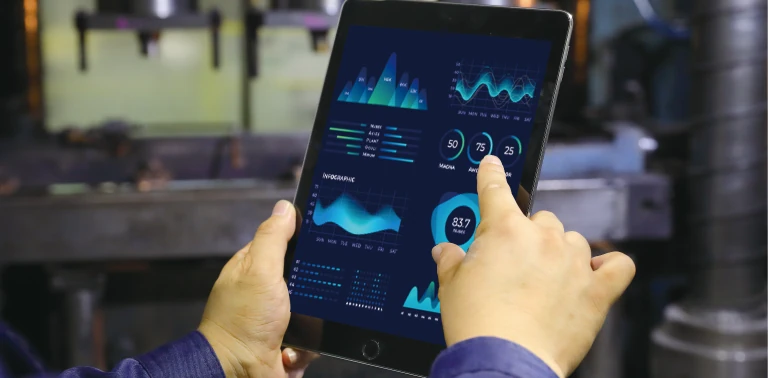
1. Detecting deterioration of the dies

Traditionally, abnormalities in the dies were determined through visual inspection of the product by skilled workers. However, by visualizing the condition of the dies with sensors, changes such as damage or wear can be detected in real-time based on data, enabling optimal management of the dies.
2. Prediction of dies lifespan

Visualizing the condition of the dies enables the analysis of collected data to capture phenomena that were previously undetectable, enabling the prediction of its lifespan. Furthermore, we aim to provide our customers with even more valuable services, such as extending the lifespan through maintenance or suggesting replacement timing, based on this information.
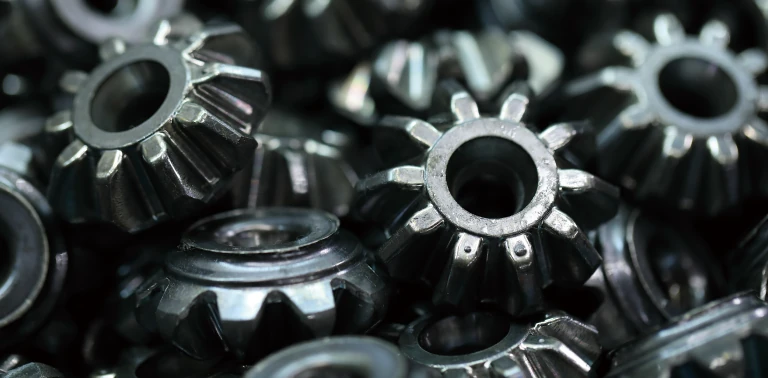
3. Evaluating the quality of forged products without inspection

Traditional quality evaluation required on-site evaluation of the physical product. However, by clarifying the relationship between data collected during production and product quality, we aim to establish a system that can guarantee quality without directly evaluating the product.
Die for former

IVI Connected Manufacturing Award 2023 “Academic Frontier Challenge Award”

Our forging DX development won the Academic Frontier Challenge Award at the IVI Manufacturing Awards 2023.

IVI Connected Manufacturing Award 2022 “Grand Prize” winner

Regarding our development of Forging DX (Digital Experience), we have received the Best Award of IVI Connected Manufacturing in 2022. (“Industrial Value Chain Initiative” which is a consortium established to aim for the digital transformation of manufacturing by integrating manufacturing and IT technologies).

Nichidai will achieve Forging DX (Digital Experience) through two technologies:

1) Intelligent dieset

We will incorporate various sensors for visualizing the condition of the dies into the die set

Visualizing

the inside of

a press as data

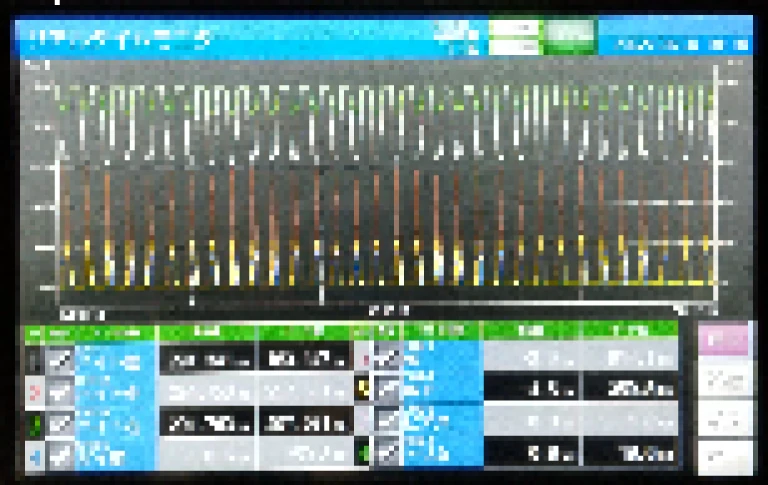
Sensors mainly incorporated into the die set

Load sensor

Measure the actual load for each dies during diesing

Displacement sensor

Measure the distance between diess during diesing

Temperature sensor

Measure the temperature changes of the dies during diesing

Acoustic emission sensor

Detect changes in the dies and peripheral equipment through vibration using an acoustic emission sensor

Vibration (acceleration) sensor

Detect smaller changes in the dies and peripheral equipment through vibration using a vibration (acceleration) sensor

Network camera

Record the status in conjunction with forging

Customization of various sensors is available according to the customer’s needs. By installing the Intelligent die set, it is possible to collect production data with existing equipment (press machines).

2) Manufacturing management system

We aim to achieve quantitative quality management by collecting, visualizing, and analyzing data during mass production
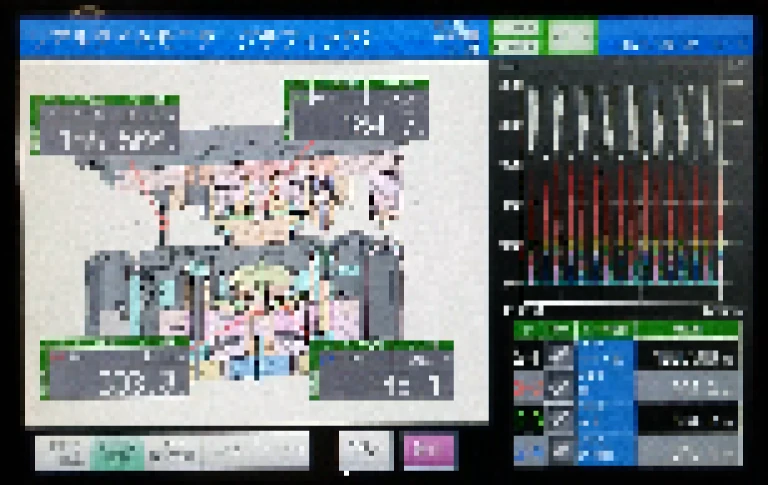
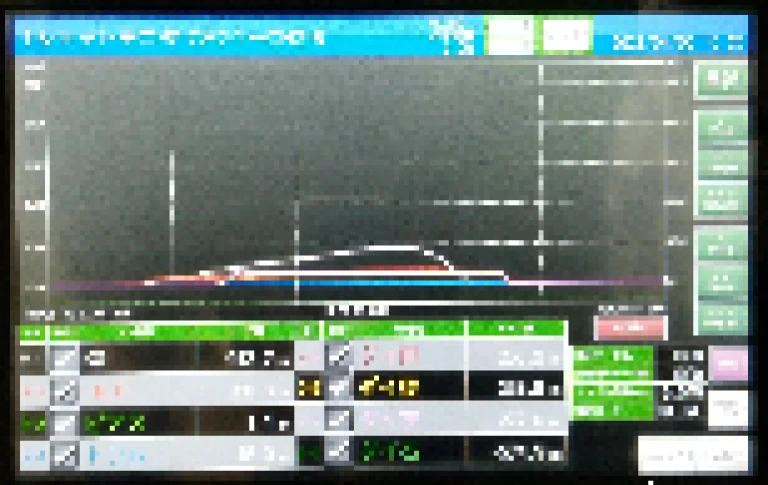
By combining multiple sensors such as AE, load, and displacement sensors, we can detect abnormalities in diess at a much earlier stage than conventional methods, aiming to prevent product defects and other issues.

Aiming to achieve a production system that does not produce defective products

We may not notice abnormalities in molds even if we monitor them on-site. However, continuing to press with a mold that has abnormalities will result in producing a large quantity of defective products. To solve this challenge through Forging DX, this product has been developed. A major feature is that it can be used with the conventional press machine by only replacing the die set. Nichidai is committed to tackling the long-standing challenge in the mold industry of not producing defective products with all our efforts.